How to Collect Fine Wine
A comprehensive guide from storage fundamentals to investment strategy — everything you need to build a serious fine wine collection.
The Art of the Cellar
Collecting fine wine is one of the most rewarding pursuits for those who appreciate beauty, history, and investment intelligence combined. Unlike most asset classes, a properly stored fine wine collection delivers both financial appreciation and the deep personal pleasure of opening a perfectly aged bottle at precisely the right moment.
Whether you are beginning with a few cases or scaling a serious portfolio, the principles are universal: provenance, storage, patience, and knowledge. This guide distills what the world's best collectors do.

The Collection Framework
Follow this proven framework used by the world's leading private wine collectors and institutional wine investment funds.
Define Your Collection Strategy
Investment vs. Pleasure: Decide early whether your cellar is primarily an investment vehicle, a source of personal enjoyment, or both. Investment cellars optimize for resale value (First Growths, DRC, Penfolds Grange); pleasure cellars can take more stylistic risk.
Budget Discipline: Establish a clear annual acquisition budget and stick to it. The secondary fine wine market rewards patience over impulsive buying.
Time Horizon: Fine wine rewards collectors who think in decades, not years. A 20-year time horizon transforms a modest acquisition strategy into meaningful wealth.
Understand Provenance
Documentation Is Everything: Every bottle you acquire should come with clear documentation — original case end labels, receipt from a reputable merchant or auction house, chain of custody records.
Avoid Heat-Damaged Bottles: A bottle shipped through excessive heat — even once — can be permanently compromised. Insist on temperature-controlled transit records.
Buy OWC: Original Wooden Case (OWC) storage dramatically increases resale value and provides provenance certainty. Châteaux release wines in OWCs; keep them intact.
Master Cellar Storage
Temperature: The single most critical variable. Maintain 10–14°C (50–57°F) with no fluctuation. Temperature swings above 18°C accelerate oxidation and premature aging.
Humidity: Ideal range is 60–75%. Too dry and corks can dry out and allow air ingress; too humid encourages mold on labels (not the wine itself, but reduces resale appeal).
Darkness & Vibration: UV light degrades wine rapidly. Vibration — from a nearby road, compressor, or machinery — agitates sediment and disturbs the wine's molecular development.
Position: Store bottles horizontally so the cork remains in contact with the wine. Upright storage is only acceptable for sparkling wines temporarily before service.
Buy the Right Wines
Blue-Chip First: For investment certainty, anchor your cellar with recognized blue-chip names — Bordeaux First Growths, Burgundy Grand Crus, Penfolds Grange, Super Tuscans. These have proven secondary market liquidity.
Quality Over Quantity: A cellar of 24 world-class bottles outperforms 240 mediocre ones in both enjoyment and investment return.
Buy En Primeur (Futures): Purchasing Bordeaux en primeur (as futures, approximately 18 months before bottling) can offer meaningful price advantages for top vintages. Requires confidence in producer and vintage quality.
Seek Out Cult Wines: Limited-production wines from distinguished addresses — Petrus, DRC, Screaming Eagle, Masseto — hold their value extraordinarily well due to demand far exceeding supply.
Track Aging Windows
Drink Windows: Every wine has an optimal drinking window. Consuming a wine before its window means missing its full development; drinking after the window means tasting its decline.
Track Systematically: Use a cellar management app (CellarTracker, Vivino Pro, or a custom spreadsheet) to log every bottle, its projected drink window, and tasting notes when opened.
Pull Bottles Proactively: Plan monthly or quarterly drinking occasions to work through your cellar systematically. A collection you never drink is a collection you never enjoy.
Know When & How to Sell
Major Auction Houses: Sotheby's, Christie's, Bonhams, and Hart Davis Hart conduct major fine wine auctions. These achieve the highest prices for blue-chip collections but charge seller commissions.
Specialist Merchants: London-based specialists (Berry Bros & Rudd, Justerini & Brooks, Farr Vintners) offer expert valuations and direct purchase options.
Private Sales: For very large or rare collections, private sale to wealthy collectors offers discretion and premium pricing without auction house fees.
Timing: Selling around milestone vintages (20-year anniversaries), before major auction catalogue deadlines, or when critic scores draw fresh attention can maximize sale prices.
Tools & Resources
Wine Thermometer
A calibrated thermometer is non-negotiable for monitoring cellar temperature. Digital units with min/max logging catch dangerous fluctuations.
Cellar Management Software
CellarTracker (free) provides community-sourced tasting notes and aging advice alongside your own inventory tracking.
Decanting Equipment
A quality glass decanter and a candle or light source for checking sediment are essential for serving aged reds. Allow 30 minutes minimum for young wines.
Wine Reference Books
The Oxford Companion to Wine, Jancis Robinson's Wine Grapes, and Michael Broadbent's Vintage Wine are foundational collector references.
Auction Subscriptions
Create accounts at Sotheby's Wine, Acker Merrall & Condit, and Hart Davis Hart to track price trends and spot buying opportunities.
Insurance
A specialist fine wine insurance policy (Chubb, AXA Art) is essential for collections worth more than $10,000. Standard home insurance rarely covers wine adequately.
Recommended Starter Acquisitions
The wines below offer an ideal entry point for the serious new collector — blue-chip names with clear aging potential, proven secondary market demand, and extraordinary character.
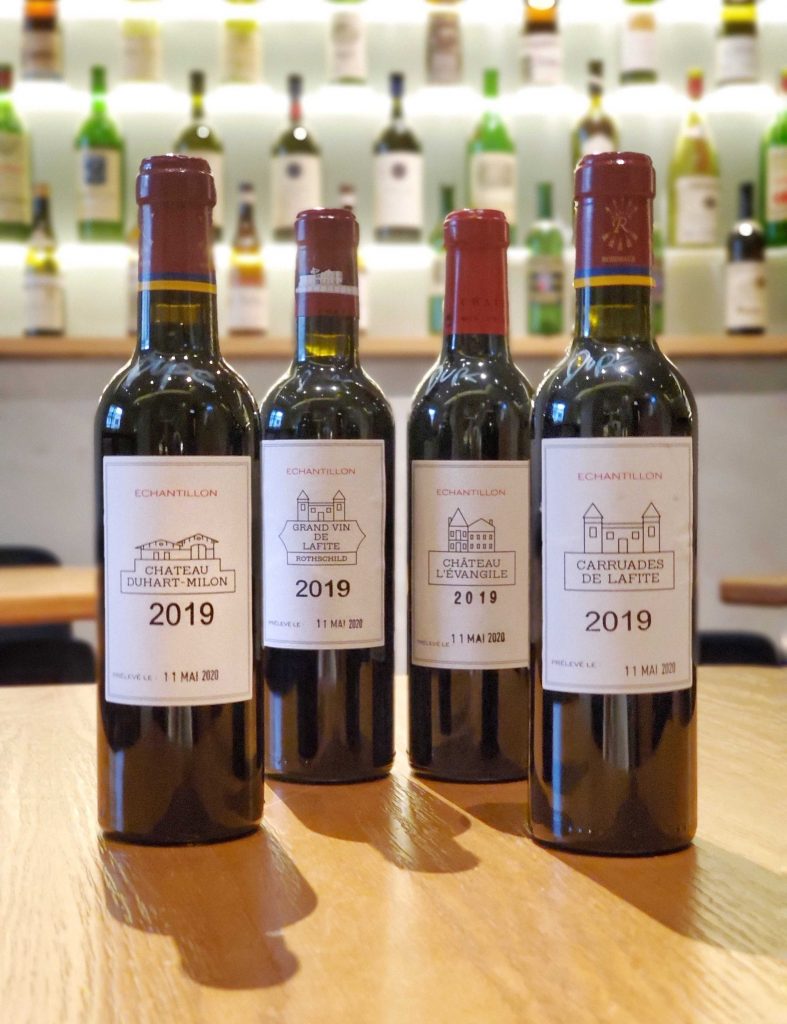
Château Lafite Rothschild
Pauillac

Domaine de la Romanée-Conti
Vosne-Romanée
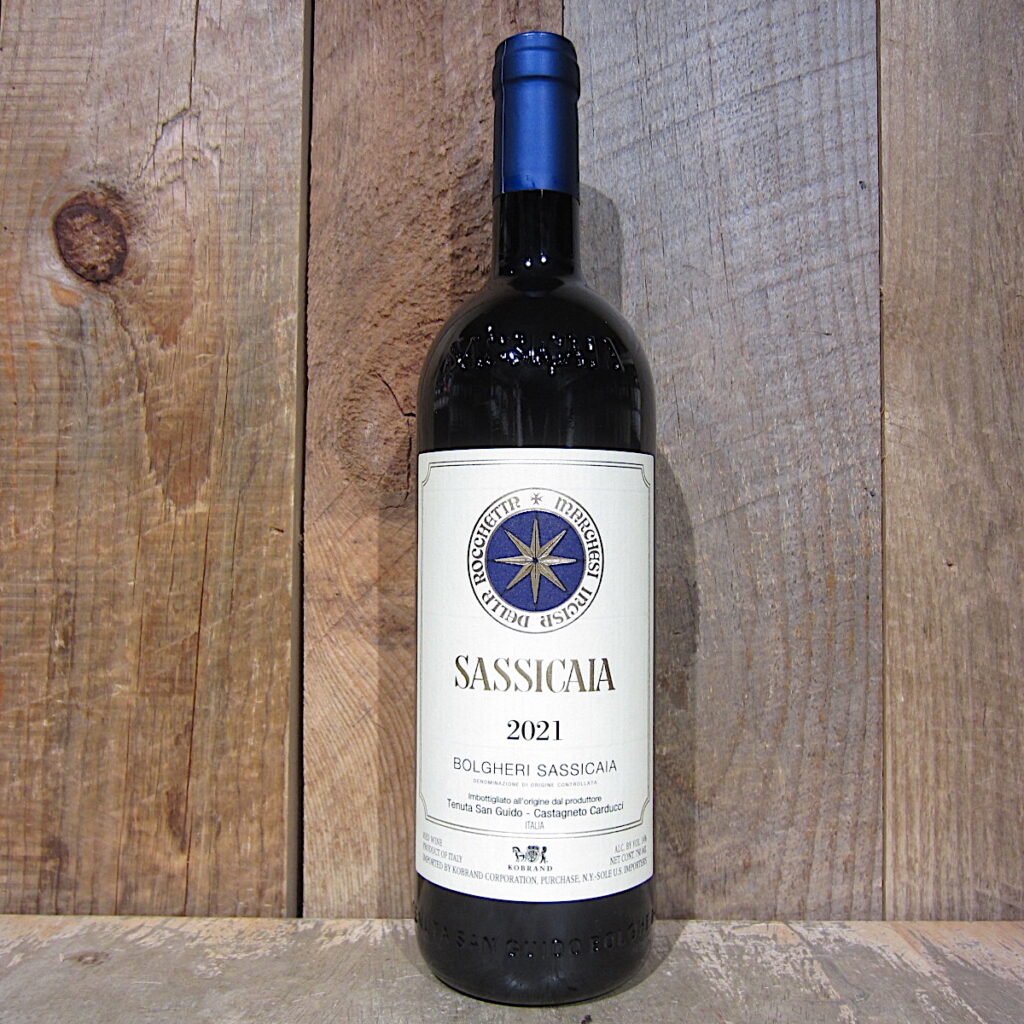
Tenuta San Guido
Bolgheri